
Deya: From Freelancer to YouTube-Fueled Business
In this article
Deya Aliaga Kuhnle (known as Deya or @MyNameIsDeya on YouTube) has built a personal brand and business around her path from freelance operator to Digital Business Manager (DBM) coach and course founder. She uses YouTube as a lever — not the entire business — creating a flywheel between content, trust, and paid programs. Her journey offers lessons for creators who want to build authority + service offers rather than relying purely on ad income.
How It All Started
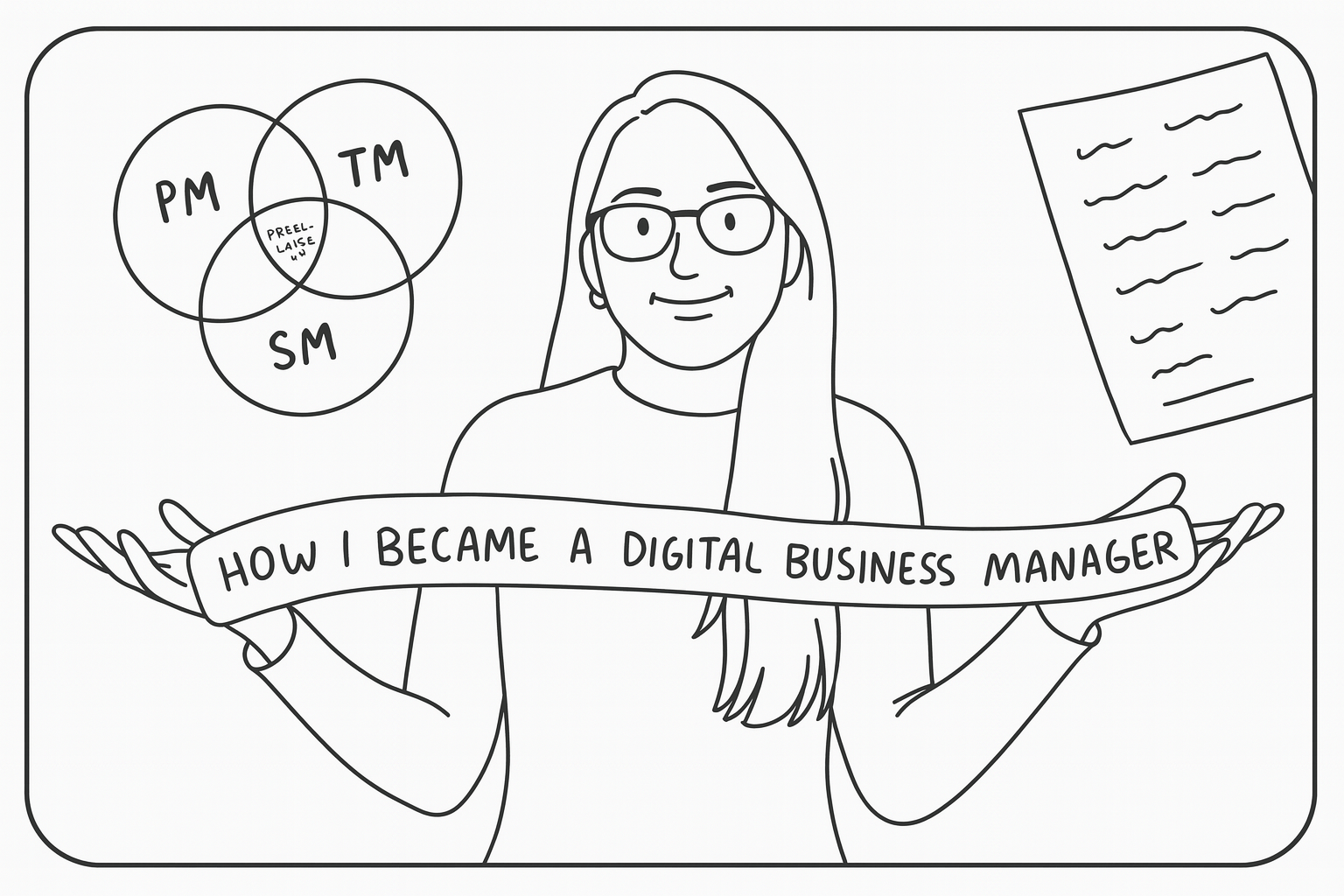
Deya’s background: after college, she entered consulting (one of the “big four”) but found the work draining and misaligned. She shifted into freelancing in project and content operations side-hustle mode. Over time she leaned into supporting founders as a DBM: handling operations, systems, remote teams, project management. (She describes this transition in multiple podcast/video interviews.)
While doing client work, she noticed that many people asked her: “How do I get good at this work? Could you teach me?”. She gradually created training modules and eventually the 'DBM Bootcamp' - her signature course.
On the YouTube front, in an interview she admits that when starting, she gave herself a rule: spend one year making 50–100 videos. She would produce video work even if she doubted it, stopped overthinking, and measured output first.
She also built systems early: outsourcing editing, creating consistent workflows (idea → outline → script → record), so that publishing two videos per week could scale without burning her out.
The Audience She Attracted
Her viewers are typically:
Deya’s persona is that of a peer who’s been through the daily operation grind — not a distant guru. That relatability helps her convert skeptical freelancers who expect “guru fluff.”
Early Monetization Moves
Deya’s monetization evolved slowly — client work remained foundational.
Her paid offers align strongly with her core — she isn’t branching into unrelated products; everything ties to DBM / ops / systems.
How She Stacked More Offers
Over time, Deya layered her business:
Each new layer leverages trust earned via content and the systems she teaches.
Tactics Behind Her Growth (YouTube-Centric & Beyond)
| Tactic | Description / Implementation |
|---|---|
| Output commitment first | She challenged herself to produce many videos in a year (50–100) to force momentum, avoid overthinking. |
| Systemization & delegation | Early decision to hire editors, define workflows, reduce friction in video production. |
| Batching & outlines | She moved from improvisation to full scripts + teleprompter usage, writing in “filler words” and jokes to keep tone natural. |
| Three content pillars | She maps her content into areas: freelancing, DBM, general entrepreneurship. This helps audience see vertical progression. |
| Minimalism vs over-extension | She avoids chasing views or trends; she focuses on content that aligns with business goals, not vanity metrics. |
| Human mindset transparency | She frequently talks about struggle (camera anxiety, perfectionism) to disarm viewers and connect. |
The Flow
YouTube video → lead magnet or free template → email or drip series → entry-level product/templates → Bootcamp cohort → advanced support / (optionally) consulting.
YouTube content is not just for ad revenue — it’s a front door to her teaching business.
This Could Be You
If you’re a creator building a service- or program-based business:
Lessons & Takeaways
1. Momentum > perfection. Deya’s one-year video commitment forced forward motion even when she felt unsure.
2. Systems are leverage. She offloaded editing early so she could scale output.
3. Content must map to business goals.* She didn’t just make “entrepreneur content” — she taught what she sells (systems, ops).
4. Audience trust lets you sell. Transparency about mindset, struggle, process makes conversion feel natural.
5. Incremental offers bridge leaks. Templates, mini-products, and kits help people step in without full commitment.
---